


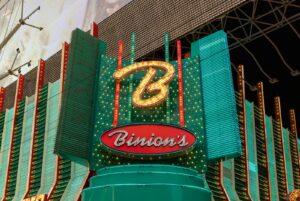
There is nothing quite like walking under the canopy of the Fremont Street Experience and seeing the towering neon sign of Binion’s Gambling Hall glowing against the Downtown sky. For decades, this property has embodied the gritty charm, high-energy spirit, and classic casino culture that once defined Las Vegas. Long before the megaresorts of the Strip, long before modern hospitality brands built their glass towers, Binion’s stood as one of the beating hearts of Fremont Street. Even today, guests arrive expecting that old-school Vegas atmosphere, a place where history still feels alive and where the casino floor hums with the excitement of a bygone era.
But inside every historic property is another truth. Age, heavy foot traffic, ongoing renovations, and the constant movement of visitors create unique risks that can lead to serious injuries when safety is not given the same attention as the casino’s legacy. Binion’s may be iconic, but it is not immune to the legal duty that applies to every resort and casino in Las Vegas. When a guest is hurt because the property failed to maintain safe conditions, the consequences can be immediate and life-changing. A slip on the casino floor, a fall in a dimly lit hallway, an incident caused by negligent security on Fremont Street, or a structural hazard in an older section of the building can turn a nostalgic visit into a painful emergency.
Binion’s Gambling Hall is owned by TLC Casino Enterprises, the same group that operates the Four Queens Hotel & Casino across Fremont Street. Their ownership ties both properties together under a single management philosophy, risk management structure, and fundamental legal duty. While each casino has its own personality and attractions, the responsibility to maintain safe premises applies equally to both. At Shook & Stone, we understand how this ownership structure impacts liability, how Downtown Las Vegas differs from the Strip, and how to build strong cases for guests injured in historic casinos where maintenance demands are high and safety must keep pace with the crowds.
A Historic Property With High Expectations
Binion’s is one of the most storied casinos in the city. Once owned by the legendary Benny Binion, the property played a significant role in shaping the early identity of Las Vegas gambling. The casino is famous for hosting the original World Series of Poker, for its rough-and-ready cowboy energy, and for drawing both locals and tourists searching for a taste of authentic Downtown Vegas. Today, that history is part of the marketing. Guests come to experience the old vibes, the classic décor, the vintage gaming machines, and the feeling of stepping into a piece of Nevada’s past.
But historic charm does not excuse modern negligence. Under Nevada law, even the oldest casinos must meet current standards of safety. A building constructed decades ago must still maintain its walkways slip-free, its staircases up to code, its escalators in good working order, its flooring in good repair, and its lighting sufficient to prevent foreseeable accidents. The age of the property is never a defense. If anything, an older casino requires more maintenance, more inspections, and more attention to hazards that naturally develop over time.
At Binion’s, the combination of vintage architecture, heavy foot traffic, older flooring, narrow walkways, and a bustling gaming floor creates an environment where hazards can emerge quickly. Guests frequently move between gaming tables, bars, slot machines, restaurants, and the busy Fremont Street sidewalk outside. Each of these areas has its own set of risks, and when management fails to address them promptly, guests can suffer avoidable injuries.

When Safety Falls Behind the Crowds
Walking through Binion’s, it is easy to get lost in the nostalgia. But behind the neon, the vintage signage, and the energy of Downtown, accidents happen far more frequently than visitors expect. One of the most common issues in any casino, particularly one with an older layout, is slip and fall incidents. Spilled drinks, condensation from cups, tracked-in water from the street, and cleaning residue can all make the floors unexpectedly slick. In a busy casino, staff must act quickly to identify and remove hazards. When they do not, guests can suffer broken bones, back injuries, or severe sprains in a matter of seconds.
Binion’s also faces challenges related to the building’s age. Worn carpeting, uneven flooring transitions, loose tiles, and older staircases can all create trip hazards. Lighting can be dim in certain gaming areas, especially those designed to evoke classic Vegas ambiance. While that mood fits the aesthetic, it can also conceal hazards that should be identified and repaired.
Another major concern is negligent security. Binion’s sits in the heart of the Fremont Street Experience, one of the busiest pedestrian zones in the city. Crowds fill the area day and night, often mixing with visitors who have been drinking, street performers, and individuals passing through Downtown’s nightlife scene. While Fremont Street is known for its entertainment value, it requires constant security oversight, especially for casinos like Binion’s that open directly onto the pedestrian mall. When a casino does not provide adequate security, fails to intervene in escalating situations, or does not monitor entrances effectively, guests can become victims of fights, assaults, theft, or other preventable crimes.
Inside the property, tight gaming aisles, crowded bars, and older seating or furniture can also create risks. If chairs collapse due to wear, handrails come loose, or slot machine areas are overcrowded, the casino may be liable for injuries resulting from those conditions. In a historic property, maintenance must be proactive, not reactive.

Binion’s and the Shared Pressures of Downtown Las Vegas
Unlike the Strip, where massive corporate resorts operate with layers of management oversight, Downtown Las Vegas presents a different environment. Casinos are smaller, foot traffic is heavier in concentrated areas, and the Fremont Street Experience brings thousands of people shoulder to shoulder under the same digital sky. Binion’s benefits from this foot traffic, but it also carries the responsibility of keeping those guests safe.
The outdoor area in front of the casino, where guests often take photos or pause to watch the light shows, can become hazardous when the property does not maintain safe walkways. Spilled drinks, slick pavement, and broken concrete can lead to falls that cause serious injuries. Although portions of Fremont Street are publicly managed, casinos along the pedestrian mall share responsibility for keeping their entryways safe and monitoring crowd behavior.
The situation becomes even more complex due to the presence of Four Queens, Binion’s sister property across the street. Because both casinos belong to the same ownership group, claims may involve overlapping maintenance teams, shared security approaches, or common corporate policies. While each casino is responsible for its own hazards, ownership ties often affect how incidents are investigated and how claims are defended.
Free Consultation We’ll help you win the benefits you need to get your life back.
Premises Liability in Las Vegas: Protecting Guests From Negligence
Every resort, casino, restaurant, or entertainment venue in Las Vegas must adhere to the same foundational principle of premises liability law: property owners have a legal duty to keep their premises reasonably safe for their guests. This duty applies regardless of the age of the building, the theme of the casino, or the type of customers it attracts.
Under Nevada law, an injured guest must prove that the property owner or operator failed to exercise reasonable care. That failure could involve not cleaning a spill in a timely manner, not repairing a broken staircase, not training employees properly, or not providing adequate security for foreseeable risks. If a hazard was known or should have been known through regular inspections, and the property took no action to address it or warn guests, the casino can be held responsible.
Binion’s is no exception. Even with its historic character, the resort must meet modern safety standards. The law does not permit a casino to hide behind nostalgia or claim that hazards are unavoidable due to age. If anything, older properties require more vigilance because they are more susceptible to wear and tear.
H2: When an Injury Interrupts Your Downtown Las Vegas Experience
For many visitors, Downtown Las Vegas is a cherished part of their travel experience. They come to explore the neon-soaked atmosphere, play classic table games, enjoy the Fremont Street Experience, and appreciate the heritage that Binion’s represents. When an injury occurs, that sense of excitement turns immediately into confusion, fear, and frustration.
Guests who are hurt inside or outside Binion’s often find themselves in a chaotic environment. Crowds continue to move around them. Music continues to play. The casino continues to operate. In those moments, it can be difficult to know what to do, who to talk to, or what rights you have. Many guests feel pressure to downplay the incident, especially if they are embarrassed or unsure whether it was their own fault. But in most cases, the injury stems from a hazard that should have been addressed long before the accident occurred.
Once an injury happens, it is critical that the casino documents it properly. A property like Binion’s must generate an incident report, preserve surveillance footage, and ensure that the hazard is investigated. Unfortunately, casinos sometimes prioritize protecting themselves rather than helping injured guests. Statements may be presented in a way that minimizes liability, or guests may be informed that the accident was unavoidable. Without proper legal guidance, many victims find themselves overwhelmed or misled.
How Independent Ownership Influences Injury Claims
Because Binion’s is independently owned rather than controlled by a large corporate brand, its approach to injury claims can differ from that of Strip megaresorts. The casino handles its own insurance matters, risk management processes, and internal investigations. This can sometimes streamline the process, but it can also mean that the resort’s legal team moves quickly to contain liability.
At Shook & Stone, we have represented clients injured at independently owned casinos throughout Las Vegas. We know what evidence to demand, how to ensure that footage is preserved, and how to counter tactics used to minimize responsibility. We examine cleaning logs, maintenance records, staffing levels, security reports, and any prior incidents that indicate a pattern of safety issues. Our attorneys know how to uncover the truth and identify those responsible.
Holding Binion’s Accountable for Negligence
Binion’s Gambling Hall owes every guest the same duty: to provide a safe environment free of unnecessary hazards. When it fails, and someone is injured as a result, the casino can be held legally responsible. Whether the incident happened inside the casino, outside near the Fremont Street entrance, in a restaurant or bar, or anywhere within areas controlled by the resort, victims have the right to pursue compensation for medical bills, lost income, pain and suffering, and other damages.
Our firm has deep experience with these types of cases. We understand the unique challenges of Downtown Las Vegas, where older buildings, heavy foot traffic, and rapidly changing conditions require constant vigilance. We also understand how to approach claims involving sister properties, such as Four Queens, when overlapping responsibilities are present.
Most importantly, we know that behind every case is a real person whose life was disrupted by an accident that never should have happened. Our attorneys fight to restore dignity, stability, and justice for every client we represent.
Discuss Your Binion’s Injury with Our Experienced Las Vegas Attorneys
If you or a loved one were injured at Binion’s Gambling Hall, you deserve answers and a clear path forward. The law protects you from negligent property conditions, and Shook & Stone is here to make sure your rights are upheld.
Contact us today to schedule a complimentary consultation. Our team is available 24 hours a day to evaluate your case, explain your options, and begin the process of securing the compensation you deserve. Call (702)570-0000 or visit us online.
You trusted a Las Vegas landmark with your safety. Now trust Shook & Stone to fight for your recovery.
Learn more about Las Vegas Premises Liability Lawyers, Hotel & Casinos.


 DIRECTIONS